petek, 14. september 2012

TOP RECORDS 2009


Allen Toussaint - The Bright Mississippi


Anthony Wilson - Jack Of Hearts


Antony & The Johnsons - The Crying Light


Brian Blade - Mama Rosa


Casey Driessen - Oog


Christina Courtin - Christina Courtin


Dave Matthews Band - Big Whiskey & Groo Grux King


Klaus Voormann & Friends - A Sideman's Journey


Krantz, Carlock, Lefebvre - Krantz, Carlock, Lefebvre


Kris Kristofferson - Close To The Bone


Levon Helm - Electric Dirt


Marshall Crenshaw - Jaggedland


Sean Wayland - Pistachio


Sean Wayland - Pistachio 2


Maxwell - BLACKsummers'night


Melody Gardot - My One and Only Thrill


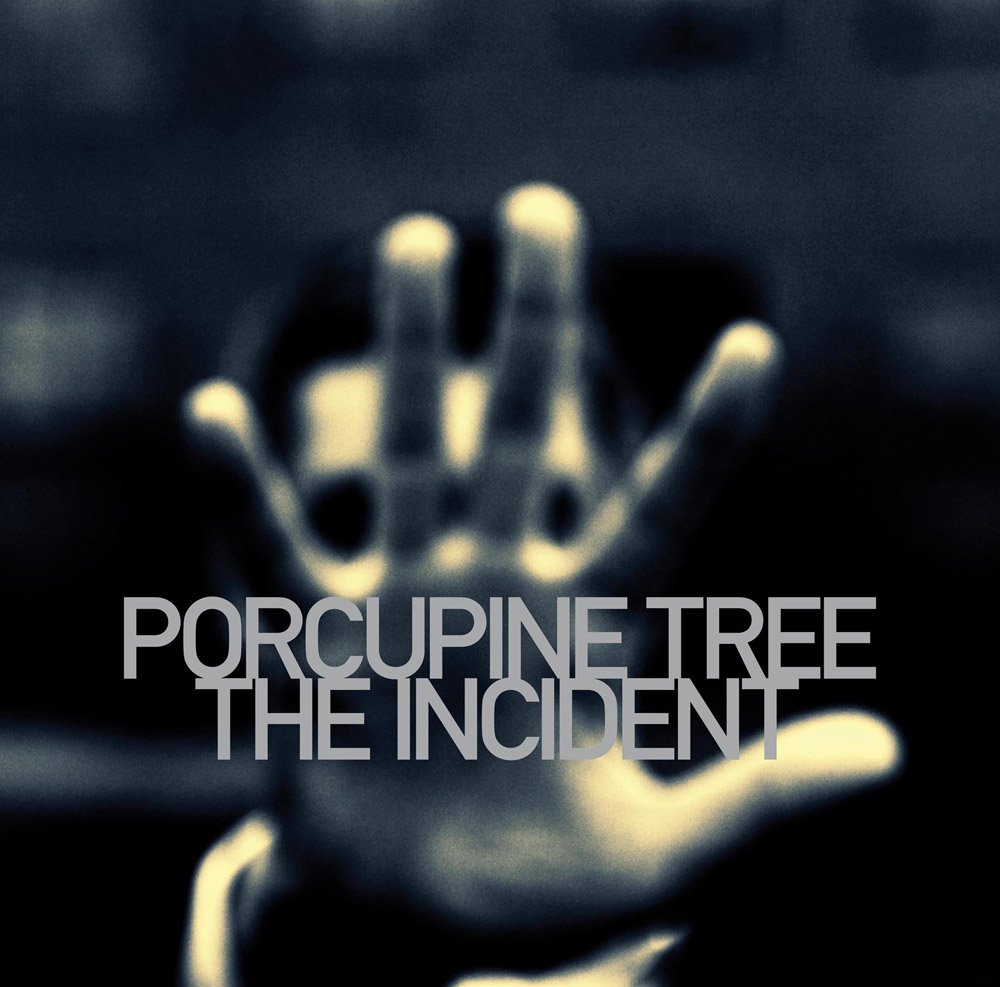
Porcupine Tree - The Incident


Prince - Lotusflow3r


Rufus Wainwright - Milwaukee At Last!!!


Shane Theriot - Dirty Power


Shawn Lee - Sum In The Hole


The Derek Trucks Band - Already Free


Stevie Wonder - Live At Last


Bob Dylan - Together Through Life


Norah Jones - The Fall


Meshell Ndegeocello - Devil's Halo


Rudder - Matorning


Rossane Cash - The List


John Mayer  - Battle Studies


Gino Vannelli - A Good Thing


Karl Denson's Tiny Universe - Brother's Keeper


Kyle Eastwood - Metropolitain


Tony Allen - Secret Agent


Tori Amos - Abnormally Attracted to Sin


Joe Henry - Blood From Stars


Heaven & Hell - The Devil You Know


Danny Barnes - Pizza Box


Madeleine Peyroux - Rare Bones


Michael Riessler, Howard Levy, Jean-Louis Matinier - Black & Silver


BJ Cole & LushLife - Lushlife


ponedeljek, 3. september 2012

HAL OF FAME! THANK YOU MR. DAVID


You Knew!
...for your words and thoughts, Thank you.

Mirno morje, Kapitan.


Hal David: Lyricist whose work with Burt Bacharach produced a succession of hit records


'Sometimes it flows smoothly. At others it's like rowing a boat upstream,' he said of working


The prolific songwriting partnership formed by the composer Burt Bacharach and the lyricist Hal David soundtracked the Sixties as much as Lennon and McCartney or Holland-Dozier-Holland. The run of hits they penned, most famously for Dionne Warwick, the backing vocalist and session singer they plucked from obscurity, included her signature tunes "Walk On By", "You'll Never Get To Heaven (If You Break My Heart)" and "Do You Know The Way To San Jose", as well as several songs she originated but other female artists rerecorded to even greater success.

Dusty Springfield reinterpreted the wistful "Wishin' and Hopin'" and "I Just Don't Know What To Do With Myself", Aretha Franklin revisited the yearning "I Say A Little Prayer" and Cilla Black covered the dramatic "Anyone Who Had A Heart" and eclipsed Warwick's original to score her first British No 1 in February 1964. David and Bacharach also wrote the Oscar-nominated title songs for the films What's New Pussycat? – recorded by Tom Jones in 1965 – and Alfie – sung by Black in 1966 – as well as "The Look Of Love", another of Springfield's definitive performances – for the 1967 James Bond spoof Casino Royale and eventually Best Song with "Raindrops Keep Fallin' On My Head" – interpreted by BJ Thomas in 1969 – from Butch Cassidy and the Sundance Kid.

From their inception, with their occasional nods to the American Songbook tradition of Irving Berlin, George and Ira Gershwin, Oscar Hammerstein, Lorenz Hart, Cole Porter and Johnny Mercer, Bacharah-David compositions were a cut above their younger contemporaries at New York's Brill Building writing factory and sounded like standards. Indeed, over five decades they provided a rich source of repertoire and inspiration for acts as diverse as Isaac Hayes, Sacha Distel, Elvis Costello, The Stranglers, Luther Vandross, the Manic Street Preachers and Rumer as well as Jerry Butler and The Walker Brothers (the ultimate break-up ballad "Make It Easy On Yourself" in 1962 and 1965 respectively); Gene Pitney –(the sublime "24 Hours From Tulsa" in 1963); – Sandie Shaw (her first UK-chart-topper "(There's) Always Something There to Remind Me" in 1964); Herb Alpert (the US No 1 "This Guy's In Love With You" in 1968); and The Carpenters – their breakthrough hit "(They Long To Be) Close To You" in 1970.

Even during their Sixties heyday, David didn't work exclusively with Bacharah. In 1969, he collaborated with the Bond soundtrack composer John Barry to create the lachrymose We Have All The Time In The World recorded by Louis Armstrong for On Her Majesty's Secret Service, though, despite another bravado performance by Shirley Bassey, the title theme they concocted for Moonraker a decade later failed to catch the public's imagination. His lyric set to Albert Hammond's melody for "To All The Girls I've Loved Before" also gave the unlikely pairing of Julio Iglesias and Willie Nelson their biggest international success in 1984.

Born in 1921 to Austrian-Jewish immigrants who ran a New York delicatessen, he showed little musical ability and didn't persevere with the violin lessons he was given as a child. Yet he seemed to have a way with words and intended to follow in the footsteps of his elder brother Mack, who wrote songs for Disney, adapted chansons into English and collaborated with Bacharah, on "Baby It's You", the 1961 Shirelles hit later covered by the Beatles. However, Mack dissuaded him and, after studying journalism at New York University, Hal David was drafted into the Armed Forces during the Second World War. Posted to Hawaii, he made the most of his attachment to an entertainment unit, and began devising sketches and composing lyrics.

He subsequently wrote advertising copy and worked with the bandleaders Sammy Kaye and Guy Lombardo before becoming a jobbing wordsmith and meeting Bacharah in 1957. The pair clicked and came up with "The Story of My Life", which was recorded by the country singer Marty Robbins in the US, and the British crooner Michael Holliday, who took it to the top of the UK hit parade in February 1958, where it was eventually replaced by Perry Como singing 'Magic Moments', another Bacharad-David composition. This unprecedented achievement gave them an entrée into the emerging international markets, an avenue they began to explore between Bacharah's touring commitments with Marlene Dietrich.
In 1962, when Warwick, the signature voice of their early demos, heard "Make It Easy On Yourself" had been given to Butler, she lost her temper. "Don't make me over, man... take me for what I am," she told David, who instantly transformed her rant into her debut US hit. "Burt, I think we just heard the title of a new song," he remarked.

This approach was typical of a wordsmith who could draw inspiration from the unlikeliest of situations or take years to complete a lyric. "I have no formula, sometimes it flows smoothly and other times it is like rowing a boat upstream. Most often a lyric starts with a title. A line in a book I am reading may set me off. Other times, some dialogue in a play or a movie becomes the catalyst. More often than not the idea just pops into my head. Where it comes from I hardly ever know," he said. "In writing, I search for believability, simplicity, and emotional impact. There have been times in the past when I've heard one of Burt's melodies and the words just fell out in a matter of seconds. 'Do You Know The Way To San Jose?' is a perfect example of that, I heard the whole lyric in a flash, I just instinctively knew what Burt was looking for. The ones that come out of the blue are usually the best ones."

He mostly wrote about matters of the heart, and was never as hip as Bob Dylan or Leonard Cohen, but occasionally took stock of the world around him, chastising the consumer society in "Paper Maché" and examining the impact of the Vietnam War in "The Windows Of The World'"

Promises, Promises, Bacharah and David's 1968 musical adaptation of the Billy Wilder film The Apartment, ran on Broadway for three years, but their partnership floundered after the box-office failure of another musical project, the 1973 movie reimagining of Lost Horizon, the James Hilton novel previously adapted by Frank Capra in 1937. In 1993, they reunited to write "Sunny Weather Love" for Warwick's Friends Can Be Lovers album. The easy listening revival of the late Nineties seemed to benefit Bacharah more but David remained philosophical about his place in musical history. "Composers tend to be better known than lyricists, and Burt is a performer. That's never been my thing,"he said. "The important thing is what one does, not one's name. The songs live, the writer doesn't. You just hope your songs outlast you."


Harold Lane David, lyricist and producer: born New York 25 May 1921; died Los Angeles 1 September 2012.

PIERRE PERRONE MONDAY 03 SEPTEMBER 2012 (INDIPENDENT)


četrtek, 26. julij 2012

TOP RECORDS 2010


Black Dub - Black Dub


Elton John &  Leon Russell - The Union


Johnnie Cash - American VI: Ain't No Grave


Erykah Badu - New Amerykah Part Two: Return of the Ankh


Neil Young - Le Noise


Manu Katche - Third Round


Gil Scott-Heron - I'm New Here


John Legend & The Roots - Wake Up!


Mike Patton - Mondo Cane


Fistful of Mercy - As I Call You Down


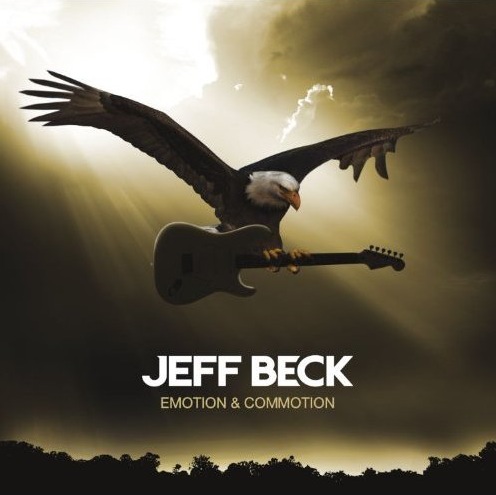
Jeff Beck - Emotion & Commotion


Shawn Lee - Sing A Song


Sufjan Stevens - The Age of Adz


The Roots - How I Got Over


Stanton Moore - Groove Alchemy


Paula Cole - Ithaca


Janelle Monáe - The ArchAndroid


Robert Plant - Band of Joy


Otis Taylor - Cloves People, Vol. 3


Ryan Bingham - Junky Star


Imelda May - Mayhem


Stick Man - Soup


Carolina Chocolate Drops - Genuine Negro Jig


Elvis Costello - National Ransom


Eric Krasno - Reminisce


Galactic - Ya-Ka-May


Patty Griffin - Downtown Church


Punch Brothers - Antifogmatic


Ray LaMontagne - God Willin' & The Creek Don't Rise


The Secret Sisters - The Secret Sisters


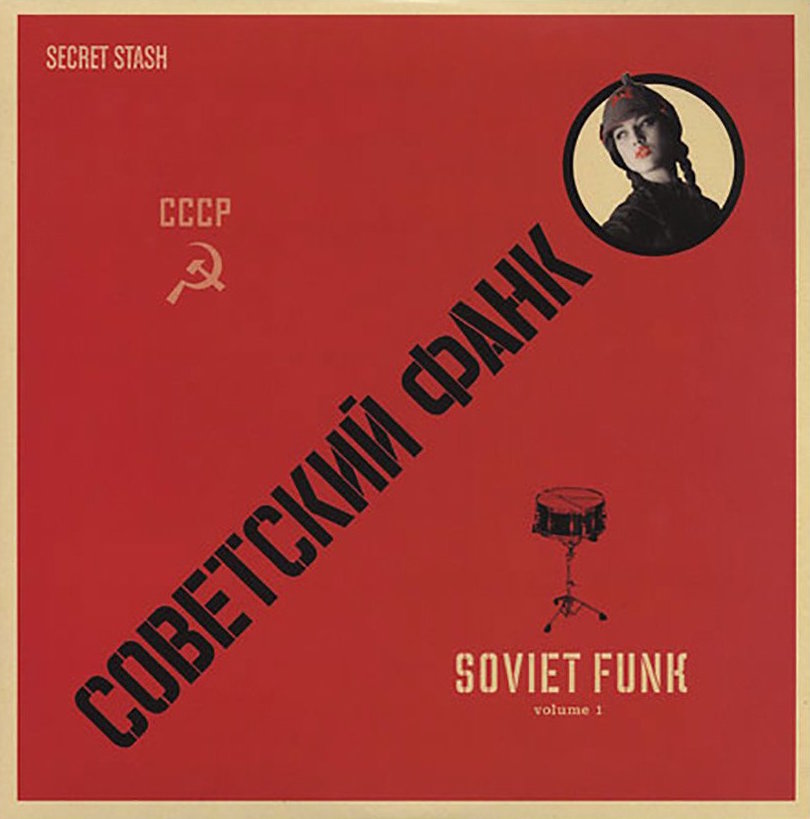
V/A - Soviet Funk Volume 1


V/A - Soviet Funk Volume 2


Glen Phillips ‎– Tornillo


Warpaint - The Fool


petek, 25. maj 2012

NAJ ŽIVI ALBANIJA IN KOSOVO!


Bratje in Sestre! Čestitam!
Jaz se kar ne morem vstavit poslušat te pesmi. Na ripitu že dva dni.
Tam pri minuti in pol se počutim, kot da sem se priključil na 220, zraven pa še dobil napad brvincou in kur hkrati.
Kakšen glas!
Če pa bo v finalu še "kšn buot več" odprla oči, res ne vem kdo jo lahko premaga.

Rona Nishliu, pevka rojena v Titovi Mitrovici, nastopa na letošnji Euroviziji za Alabanijo, saj so ji nastopati za Kosovo prepovedali. Še dobro, da so jo za "svojo" vzeli albanci.
Boljše bi bilo, da bi jo mi. Če sprejmemo slaščičarje ter zelenjavarje in sadjarje bi lahko še eno pevko.
Pa še peti v albanščini bi ji pustili.
Mater, to bi bili napredni!


To bi poslušal še Stari in hitro opustil stare spore in zamere.
Opustiti ali odpustiti, to je sedaj vprašanje:
ker jaz Vam privoščim............. ZMAGO!

12 X 12!


SUUS
Avtor pesmi: Florent Boshnjaku
Avtorica teksta: Rona Nishliu


Në këtë botë, dashuria s’jeton më
Koha më për ne ska kohë, jo
Jooo, ooh ohh ohh
Joooo ohhhhh ohhhh

Koha për ne ska kohë
Atëron aeroplani im
Në … drita.. shpirtit tende
Me beryla ngjiten sot

Ata që dje s’jetonin dot
Për këtë ….. ska rëndësi
……. u përbin
Nesërmet nuk sjellin gjë
Vec shpres pas shpres dhe marrëzi

Më ler ni të qaj
Qaj
Qaj
Se këtë gjë mas te miri di ta bëj tani
Se këtë gjë mas të miri di të bëj tani

Më ler ni të qaj
Qaj
Qaj
Se këtë gjë mas te miri di ta bëj tani
Se këtë gjë mas të miri di të bëj tani

Më ler ni të qaj
Qaj
Qaj
Se këtë gjë mas te miri di ta bëj tani
Se këtë gjë mas të miri di të bëj tani


Suus


V tem svetu brez ljubezni kjer
niti čas nima več časa za nas, ne
neee, ooh ohh ohh
neee ohhhhh ohhhh
niti čas nima več časa za nas.


Moj zmaj pristaja,
na stezah tvoje duše, brez luči.
Prerivamo se..... da bi danes vstali
tisti, ki še včeraj nismo mogli živeti.


Kar bilo je včeraj tega več ni,
izginilo je..... v besu morja.
In jutri...... tudi ne prinaša ničesar,
le upanje brezupa in norost.....


Pusti naj jočem... jočem... jočem
ker to je največ kar lahko ti dam.


prevod: m.m.


Hvala Rona.
V soboto navijam zate.


torek, 1. maj 2012

GARY McFARLAND


To je intervju z Kristianom St. Clarom, režiserjem dokumentarnega filma o življenju izjemnega ameriškega skladatelja Garya McFarlanda.


Tomorrow Has Been Cancelled: The Brief and Brilliant Life of Gary McFarland


Despite an impressive career as a musician, composer, and record producer, the jazz-pop figure Gary McFarland has remained a footnote in music. Born in Los Angeles in 1933, and raised in Grants Pass, Oregon, McFarland was a significant figure on the orchestral jazz and pop scene during the 1960s. He composed, performed, and recorded music with Anita O'Day, Bob Brookmeyer, Gerry Mulligan, Thad Jones, Bill Evans, Eddie Gomez, Sadao Watanabe, Clark Terry, Zoot Sims, Phil Woods, and Johnny Hodges. In 1968, he teamed with guitarist Gabor Szabo and vibraphonist Cal Tjader to create Skye Records. And his career is highlighted by two notable albums: the pop-influenced bossa nova Soft Samba (Verve, 1964), which was praised by mainstream audiences, but panned by jazz critics; and America the Beautiful: An Account of Its Disappearance (Skye, 1969): with songs such as "Due To a Lack of Interest, Tomorrow Has Been Cancelled," "Suburbia: Two Poodles and a Plastic Jesus," and "Last Rites for the Promised Land," the album is an emotionally charged masterwork for which critics raved.

McFarland died in 1971 due to strange circumstances: he ingested a drink laced with liquid methadone at a New York City bar. To this day, the details surrounding his death remain a mystery.

GARY MCFARLAND

Seattle filmmaker Kristian St. Clair has been working on a film about McFarland since 2000. Currently in the final stages of post-production, This Is Gary McFarland includes rare footage and photographs of the late composer and musician, as well as interviews with McFarland's family and closest musical friends. The film is St. Clair's attempt to bring his enthusiasm for (and justice to) McFarland onto the screen.

TODD MATTHEWS: Who was Gary McFarland and why do you think audiences should know about him?

KRISTIAN ST. CLAIR: If you just stick to the jazz history, he's sort of a footnote as this rising-star arranger and composer who gained an initial following in the jazz world with the Gerry Mulligan big band, and then came out with a series of his own large-scale orchestral jazz albums. That's pretty much where he got his initial jazz following. But he always really liked pop music, and in the mid-1960s he began to shift more toward pop-oriented recordings, which at the time were dismissed as easy listening. But he never gave up jazz altogether. That's pretty much why you'll find he's forgotten today. He kind of snubbed his original jazz fans, and no one ever really caught on with what he was doing with pop music because he died too early.

MATTHEWS: His music has jazz, orchestral, and pop elements. How would you describe his audience?

ST. CLAIR: I think initially his audience was definitely the Down Beat magazine crowd. That's certainly where he got his original burst of fame. However, he had his largest success with Soft Samba, his first album to catch on with a wider audience outside of jazz. At the same time, that was the album that kind of enraged jazz fans. If you read the reviews of that album, they're amazingly hostile. It was because of that album, though, that he was able to tour with a jazz combo that had Phil Woods, and Sadao Watanabe -- it was one of Watanabe's first professional gigs in the United States.

MATTHEWS: What was the difference between Soft Samba, which was panned, and America the Beautiful, which was praised?

ST. CLAIR: I think Soft Samba was the natural outgrowth of music that he felt a natural inclination toward, which was bossa nova, as much as it was just Gary trying to break out into a larger audience. America the Beautiful combined everything, more than most of his albums. It has the rock element, the swing-jazz element -- it's just all there. To that point, I think that was his most definitive musical statement. After that album, he arranged strings for Steve Kuhn, and he was working on a three-part suite for the Thad Jones big band, part of which was recorded after he died. I don't think he ever necessarily turned his back on jazz, but he was definitely a musically restless spirit. And he did have an innate sense of pop music. There's no doubt about that. I think that's why his music transcends jazz. There is this pop melody sense in Gary's music that I think is completely lacking in a lot of jazz. It makes his music very timeless. I listen to it today, and I'm always sort of amazed at how timeless it sounds. It's pretty prescient when you consider what music is today, and the DJ crowd and Electronica -- a lot of his music predates that.

MATTHEWS: What were the signature sounds of his compositions and the music he performed?

ST. CLAIR: There were probably a couple. His most instantly recognizable songs are on albums like Soft Samba or The In Sound, where he hummed along with the vibraphone. That was definitely his signature sound at the time. If you listen to his writings for big band, he definitely has these voicings. You hear them and think, 'That's McFarland.' He always cited Gerry Mulligan, Miles Davis, and Duke Ellington as his biggest influences. There is this spacious sound to his music that I think probably comes from a West Coast influence -- and Gerry Mulligan, in particular. You could say that influence also came from the fact that his primary instrument was the vibraphone. I think it's a combination of all those things.

MATTHEWS: Do you think that because he settled on the vibraphone -- which is an unusual instrument with a unique sound -- it contributed to his signature sound?

ST. CLAIR: He picked the vibraphone because he thought it was easy to play. He was this guy who was sort of bumming around. He was from Grants Pass, Oregon, and he was bumming around Southern California. He wasn't sure what he wanted to do with himself. He was in his early twenties when he was drafted. While he's in the Army, he tries to play a bunch of musical instruments, and finally settles on the vibraphone -- not because he liked it, but because it was easy to play. But he was a good vibraphonist. He was no virtuoso like Milt Jackson or Bobby Hutcherson, but he was good. He definitely had a natural talent, but he never pursued it in the classical sense of composition study or anything like that. He went to Berklee for one semester and dropped out. I guess he just figured that he got what he needed. I think he got the bare minimum he needed to write, and then went off with it. Gary really is about as self-taught as you can be for that medium of jazz. Basically, he's an arranger-composer with a minimum skill-set. But that's why his music is so unique and original.

MATTHEWS: How did you first learn about McFarland?

KRISTIAN ST. CLAIR

ST. CLAIR: When I was in college and exploring jazz, I came across this Gil Evans Impulse album. It was a 1970s re-issue. It was a Gil Evans album coupled with Gary McFarland's Profiles album. I didn't know who Gary McFarland was. I bought it for the Gil Evans album. But I listened to the Profiles album, and I was pretty blown away. It's an album that is now considered strictly jazz, but it kind of transcends jazz. After that, I pretty much bought every album of Gary's that I came across.

MATTHEWS: Why did you decide to make a movie about Gary McFarland?

ST. CLAIR: I've always wanted to make filmmaking my vocation, and I was looking for a subject after some failed projects. I had the records, Gary seemed like a cool guy, and that was it. It struck me as a pretty good story. He was this sort of largely self-taught person for whom everything sort of fell into place. I definitely think he tried hard, but he also got a lot of lucky breaks. Some of that was born out of his talent, but he also had this personality that just naturally made people want to help him out. And of course, there was his mysterious death. That was obviously an intriguing part of the story.

MATTHEWS: What was the reaction from McFarland's family, as well as the other musicians with whom he worked, when you approached them about making a film?

ST. CLAIR: They were kind of surprised. They asked, "How do you know about Gary McFarland?" They were just very, very happy. Everyone welcomed me with open arms. I was always pretty surprised about that. For Gary's widow, I said, "Why don't I edit some of the footage that I shot already?" I did that, she liked it, and that was all. I'll always be grateful to his family. The more it went along, the more I thought, "Wow, this is pretty heavy. His family is trusting me with his legacy." I think the musicians and the family realized that just seeing me passionate about his music was enough for them. The musicians loved Gary. They were very glad he could potentially get his due. There's still a long haul with the film. There's not huge name recognition with Gary McFarland. But it's a great story. And his personality comes through in the film. I think that's another great asset to the film. There's a lot of humor. His brother said Gary would have been at home on the set of MASH, and that's totally true. He had a very sardonic humor, which comes through in his music. I'm still surprised no one has really caught onto Gary. Everyone is discovering all these forgotten music people, and Gary is definitely one of those people who is ripe for rediscovery.

MATTHEWS: Was there something about Gary that you came across while making the film that really surprised you?

ST. CLAIR: I'm constantly rediscovering things to like and appreciate in his music. I'll listen to new music now, and then I'll listen to Gary's music, and I'll just be surprised at how forward thinking and prescient a lot of his music is.

MATTHEWS: Describe the circumstances surrounding Gary's death.

ST. CLAIR: When I first started the film, it was always said that he died of a methadone overdose in a bar. When I went to New York City for my first group of interviews, it took me forever to even nail down the exact bar. Everyone said it was a different bar. Some guy left his methadone, and Gary took it, drank it, and died. Gary definitely had substance abuse issues, so I wasn't necessarily surprised that happened. But then I interviewed Gene Lees, and he said Gary was murdered, that he was poisoned. It was a malicious prank. Someone put methadone in his drink without telling him, and he died of a heart attack. Those are pretty much the pervading thoughts about his death. I dug about as deep as you possibly could. I do know the methadone came from Mason Hoffenberg, co-author of the novel Candy, with Terry Southern. The frustrating thing was that everyone that was there was either dead or didn't want to talk about it. The whole thing is very strange. And Gary wasn't with his usual crowd of people when he died. It was almost like a perfect storm of shady characters that happened to be in the bar when he was there. It's really anyone's guess.

MATTHEWS: Did the police investigate Gary's death?

ST. CLAIR: No. There was no police report. It's common knowledge that Gary died of a methadone overdose, but the death certificate says the cause of death was a fatty liver. He may have had a fatty liver, but that's not what he died from.

MATTHEWS: Have you ever imagined what Gary would have gone on to do had he not died so young?

ST. CLAIR: I think he never would have given up his jazz roots, and I think he would have returned to that. But also, I think he would have ended up being the go-to person for a lot of pop projects. Kind of like how you see Deodato arranging strings for an album by Bjork. I think the same thing would have happened for Gary McFarland. His string writing is very unique and original. It completely lends itself to pop.

MATTHEWS: There was a period there where critics and the jazz community panned his work. Do you think he ended up in a favorable light in the jazz world?

ST. CLAIR: I think now when people go back and listen to his work, yes. As it has been left standing, he's just pretty much forgotten or dismissed. Whenever he pops up in any jazz book, it's always just a footnote to the Gerry Mulligan recordings. They'll even say that he squandered his talents on lightweight pop projects. That couldn't be further from the truth if you listened to him. But that's where it stands. Obviously, if that's the only press he's getting, it's not really going to drive people to listen to his music.

MATTHEWS: Do you ever wonder what he would think about somebody making a film about him?

ST. CLAIR: I think he would just love seeing all of his old friends and family. I think he would be happy that someone was paying serious attention to his pop music because that never happened in his lifetime.


Interview by Todd Matthews


nedelja, 1. april 2012

SCOTT WALKER


For the last couple of decades, Scott Walker’s unsettling, experimental and occasionally downright disturbing music has drawn on such diverse narrative sources as Elvis Presley’s stillborn twin brother, the films of Ingmar Bergman, and the public execution of Mussolini’s lover. For one track on his 2006 masterpiece 
The Drift, his long-suffering percussionist was even made to pummel the side of a piece of pork to get just the disquieting, meaty thud that the composer could hear in his head.

It’s all a long, drawn-out and guttural cry from his beginnings as one third of clean-cut 60s pop crooners the Walker Brothers, responsible for such hits as “The Sun Ain’t Gonna Shine (Anymore)”. American but based in the UK since 1965, the enormously influential and respected Walker has long been mythologised as a reclusive enigma with a deep fear of live performance, although he insists that he really just likes his privacy in which to work. With rumours circulating of current recording activity and even a new album, Dazed mounted an expedition to the outer reaches of the avant-garde to bring back this rare despatch.

Dazed & Confused: Scott, we are excited to hear that you will be back with new material, perhaps as soon as next year. Can you tell us anything about it?
Scott Walker: If you’ll indulge me, I’d rather not discuss the new recording as it is still ongoing. One lives in hope.

D&C: Your recording sessions are reportedly emotionally intense...
Scott Walker: They can be, but they can also be deliriously temperate. The only thing I generally require is that the musicians have a sense of humour. 
I mean, life and attempting to bring the work off is hard enough.

D&C: Detractors of your more recent work point to the unrelenting horror and misery, but 
I argue they miss its humour. Would you agree your work always retains a fundamental sense of its own absurdity, in the best possible sense? How ‘real’ is the extreme emotional content of your work, and how much is performance?
Scott Walker: You’ve understood the work perfectly. It’s about balance. It is indeed difficult to separate the emotional from the performance, or the ‘character’ as I’d like to call it. I usually try not to rehearse or learn the vocal before attempting to sing it. I just leave it rolling round in my head. I simply want to try and catch immediacy and discover afresh what might be going on in that way.

D&C: You collaborated with Aletta Collins on the score for Duet For One Voice, although you said you were not an admirer of the original Cocteau play. How do you approach working on something when the source material is not agreeable to you?
Scott Walker: I only agreed to participate because it was Aletta, and on the understanding that we could turn the piece on its head by losing the misogyny and bringing it into the 21st century.

D&C: The ‘Drifting And Tilting’ performance at the Barbican brought out how intensely theatrical the works on these two albums are. When you write songs, do you see them in your mind as visual tableaux?
Scott Walker: Yes, I’m a big visualiser when writing. When 
I designed the sets for the Barbican, I tried to bring some of that to it, but since it was staged quite a while after the recordings, things obviously altered here and there for good or ill.

D&C: You have not performed live for many years, but at the ‘Drifting And Tilting’ performances, you did acknowledge the crowd’s applause from the sound desk. Did these performances go any way to repairing the ‘damage’ you have spoken about regarding your feelings about performance?
Scott Walker: Things were so primitive when I was performing. 
I simply could never achieve the results I was after. It was all quite traumatic for me as a young man. Things have changed dramatically. Great, loud sound systems, better players, more imagination, etcetera. Who knows? Maybe one day I’ll surprise myself and actually walk out on a stage again.

D&C: You produced Pulp’s 2001 album We Love Life – they recently reformed, and will be recording again. What are your memories of working with them, and what do you think of today’s tendency for bands to reform?
Scott Walker: They were great to work with. Very funny. Very easy. Jarv’s still a great and trusted friend. Bands reform for all kinds of reasons, so I’d rather 
not comment. 

D&C: Would you produce other bands?
Scott Walker: I’m always interested, providing the match 
is right.

D&C: You sang a duet with Bat For Lashes on 
her last album. How did this collaboration come about, and what were your thoughts on the results?
Scott Walker: A beautiful, creative young woman asks you to sing with her. Can’t be bad. I don’t generally hang around for results.

D&C: You produced the score for Pola X – how does writing a score relate to your album work, do they fulfil different artistic needs? Will you do more work in film?
Scott Walker: It’s another thing. You’re at the service of someone else’s images and that’s the key to a successful score. If you are doing it that way around, as opposed to the Leone/Morricone way, which is also relevant. I would like to do more film work, as I feel I understand so much more now. We’ll see.

D&C: You’re American, yet you’ve lived in the UK since 1965 – how do you feel about your home country today? Its culture, its politics…
Scott Walker: This is difficult, as I haven’t been to America in many years. If I could compound the time spent there since 1965, taking into account brief visits, funerals, etcetera, it would probably add up to three months, so it’s as interesting and strange to me as it would be to any British person living here. From this side of the abyss, it seems fascinating and appalling all at once. I voted in absentia for Mr Obama. It feels like he’s losing the battle at the moment. Feels like a great shame.

D&C: How do you feel the cultural landscape in the UK has changed in the last 20 years? Has it become more or less accepting to an artist such as yourself?
Scott Walker: I can’t, of course, speak for everyone, but the country has definitely become more accepting of my offerings. I had a vacuous decade in the 80s where I lost some traction, but I think it probably helped the work.

D&C: There was a gap of 11 years between Tilt and The Drift, although you worked on other projects. It will then be at least six years before your next album. How do you deal with such a long period between these statements? Or does it just happen when 
it happens?
Scott Walker: No. I have to make the effort. I’m somewhat given to prevarication. The waiting game is very important though, so you must be patient.

D&C: Are you ever pleasantly surprised that 
a record label continues to allow you to put out the music that you want to?
Scott Walker: Pleasantly surprised? I positively tingle. Especially given the current state of affairs. I was very fortunate to hook up with them [4AD].

D&C: A friend suggested your musical career is progressing like Samuel Beckett’s literature – gradually becoming more bleak and pared-down until it’s no more than a disembodied mouth in the dark. Are there any other artists whose work you consider analogous 
to your own?
Scott Walker: No one springs to mind. At a stretch, maybe Tom Waits – although content and approach are radically different.

D&C: Did you feel that the 2006 documentary 30th Century Man was an accurate portrayal of yourself? As a private individual, what made you agree to be the subject of a major film?
Scott Walker: I’ve never seen it. Couldn’t bear staring at my mug for that long. I agreed because Stephan Kijak is very persuasive, and I was impressed with his previous work. Also my management kept pestering and reminding me (as if I needed reminding) that I could die at any time, and only 
a very few would have heard of me, or my work.

D&C: It is said that once you have finished recording your songs, you don’t listen to them again. Is this the case, and if so 
why not?
Scott Walker: Well, after you’ve spent what is probably too much time writing it, producing it and singing it, you’ve pretty much had the ride. There is a limit, after all.


TEXT BY ROD STANLEY

Rod Stanley is the editor of Dazed & Confused
Photography by JAMIE HAWKESWORTH

Dazed & Confused's October issue, 'Come Together: 20th Anniversary Special', is out now, keep an eye out for more interviews from the issue on Dazed Digital